Useful Info - European Dates Distribution Center
Useful Information About Dates
Dates are a traditional fruit valued in many cultures for their naturally sweet taste, versatility and nutritional composition. They can be enjoyed as a snack, combined with other fruits, used in baking and desserts, or processed into ingredients for households and the food industry.
DateStocks — the European Dates Distribution Center — focuses on the distribution and development of date products in different formats. Explore our dates and date products to learn about available varieties and processing forms.
1. What Are Dates?
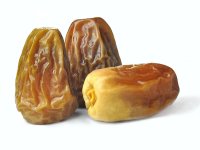
Dates are the fruit of the date palm (Phoenix dactylifera). They grow in clusters and pass through several stages of development, from early growth to ripening. Their final colour, texture, sweetness and moisture content depend on the variety, growing conditions, harvesting time and post-harvest handling.
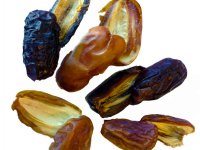
Dates are commonly eaten dried or semi-dried, but they can also be supplied fresh or processed into sliced dates, milled dates, date paste and date syrup.
2. Date Growth and Ripening Stages
Date palms produce fruit that develops through recognised stages. Names and descriptions may vary by region and agricultural tradition, but the stages generally progress from early fruit development to mature, ripe dates.
- Early development: the fruit forms and grows in size.
- Growing stage: the fruit develops its characteristic shape and composition.
- Ripening: colour, softness, sweetness and moisture change as the fruit matures.
- Harvest and post-harvest handling: dates are harvested, sorted and prepared for distribution according to the product type and quality requirements.
Harvest timing and handling influence the final product. Appropriate sorting, hygienic processing, packaging and storage help maintain quality.
3. Nutritional Composition of Dates
Dates naturally contain carbohydrates, mainly sugars, and dietary fibre. They also provide smaller amounts of protein and various minerals and other naturally occurring compounds. Their exact nutritional composition varies according to variety, maturity, moisture content and processing.
Dates can contribute to a varied diet, but they are not a substitute for a balanced eating pattern. Because they are naturally sweet and can be energy-dense, portion size is important, especially for people monitoring their total carbohydrate or energy intake.
For precise nutritional values, consult the label or product specification for the specific date product.
4. Dates in Children's Diets
Dates may be included in children's diets when appropriate for their age, chewing ability and individual dietary needs. Soft, finely chopped or suitably prepared dates can be used in porridge, yoghurt or homemade recipes.
- For young children, prepare dates in a texture and size appropriate to their developmental stage.
- Whole dates and firm pieces may present a choking risk for babies and young children.
- Introduce foods according to the child's readiness and follow relevant professional feeding guidance.
- Dates contain natural sugars, so offer them in sensible portions as part of a varied diet.
5. Dates for Women
Dates can be a convenient food for women at different stages of life. Their carbohydrates provide energy, while their dietary fibre can contribute to normal bowel function as part of a fibre-containing diet.
Women who are pregnant or breastfeeding should follow individual dietary advice from their healthcare professional. Dates should not be presented as a treatment for anaemia, a guaranteed way to induce labour or a substitute for medical care.
6. Dates for Men and Active People
Dates are portable and easy to include in meals or snacks. Their carbohydrate content may be useful before or after physical activity, depending on the person's needs and the overall meal plan.
They can be combined with nuts, seeds, yoghurt or other foods to create a more substantial snack. Individual requirements vary with activity level, health, age and total dietary intake.
7. Dates for Older Adults
Dates can add sweetness, variety and dietary fibre to the diets of older adults. Depending on chewing and swallowing ability, they may be served finely chopped, softened or incorporated into suitable recipes.
Anyone who has swallowing difficulties should follow advice from a qualified healthcare professional about safe food textures. People managing diabetes, kidney disease or other conditions may need individual guidance on portions and food choices.
8. Different Forms of Date Products
Dates are available in several forms for household use, catering and food manufacturing. Availability depends on the product range and current supply.
- Whole dates: suitable as a snack or ingredient in recipes.
- Date mixes: combinations of date varieties or product formats, depending on the specification.
- Sliced dates: pieces cut into different sizes for use in cereals, bakery products, desserts and other foods.
- Milled dates: dates processed into smaller particles or a milled form for selected food applications.
- Date paste: a soft ingredient that may be used in fillings, bars, desserts and bakery products.
- Date syrup: a sweet ingredient used in selected recipes and food applications. Check the product specification and ingredient declaration.
- Date powder or date sugar: products whose properties depend on the manufacturing process. They should not automatically be assumed to behave like ordinary table sugar.
See the DateStocks product range for listed varieties and formats. Specific formats and pack sizes may vary.
9. How to Eat and Use Dates
Dates can be enjoyed in many ways:
- Eat them as a snack in a suitable portion.
- Chop them into porridge, cereal, yoghurt or fruit salads.
- Combine them with apples, bananas, citrus fruits or other ingredients in recipes.
- Use chopped dates in cakes, biscuits, bread, energy bars and desserts.
- Use date paste or milled dates in suitable fillings and food preparations.
- Use date syrup in recipes where its flavour and sweetness are appropriate.
- Use date ingredients in beverages or blended drinks when suitable for the recipe.
Dates may also be used in commercial food production. Formulation, hygiene, allergen management, labelling and storage requirements should be assessed for each application. Dates do not make a drink carbonated by themselves; any fizzy beverage requires an appropriate beverage formulation and carbonation process.
10. Choosing Quality Dates
Quality assessment depends on the variety and intended product. Buyers should consider appearance, smell, texture, moisture, cleanliness, packaging integrity, traceability and the product specification.
- Check that packaging is intact and information is readable.
- Look for a product that matches the declared variety, grade and format.
- Follow the storage conditions and date information provided on the label.
- Do not consume products showing signs of spoilage, unusual odour, damaged packaging or suspected contamination.
- For business purchases, request relevant specifications and food-safety documentation from the supplier.
Natural variation in colour and texture can occur. Appearance alone does not establish the full safety or quality of a product.
11. Import, Distribution and Food Safety in Europe
Dates supplied to the European market must meet the applicable legal requirements for food safety, hygiene, traceability, import controls, labelling and contaminants. The exact requirements depend on the product, origin, processing method and intended market.
Commercial operators should verify current requirements with competent authorities and qualified import, customs and food-safety professionals. Product specifications, lot identification, supplier records and appropriate storage and transport conditions are important parts of responsible distribution.
DateStocks aims to support the European dates supply chain through date distribution and product development. For company updates, see DateStocks News & Events.
12. Storage and Handling
Store dates according to the instructions on the product label and supplier specification. Depending on variety, moisture content and packaging, dates may require cool, dry storage or refrigeration after opening.
- Keep products protected from excessive heat, moisture and direct sunlight.
- Reseal opened packaging where appropriate.
- Use clean utensils and avoid introducing moisture or contaminants.
- Follow the stated best-before date and any after-opening instructions.
- For commercial quantities, follow the supplier's transport and warehouse requirements.
13. Dates and Responsible Consumption
Dates contain naturally occurring sugars. People with diabetes or other conditions that require carbohydrate management should consider portion size and include dates within their individual dietary plan. A healthcare professional or registered dietitian can provide personalised advice.
Dates are foods, not medicines. They should not be relied on to prevent, diagnose or treat disease, and they do not replace prescribed treatment or professional medical advice.
14. Discover DateStocks Products
Whether you are a consumer, retailer, food manufacturer, wholesaler or distributor, understanding the variety and format of dates helps you choose products for the right purpose.
Visit the DateStocks Products page to explore listed date varieties and product formats. For further company information and updates, visit the News & Events page.
DateStocks — European Dates Distribution Center
Supporting date distribution and product development for European and international markets.
This page provides general food information and is not medical advice. Product availability, composition and specifications should be confirmed using the relevant product label and supplier documentation.